
Implementation
ERP Implementations
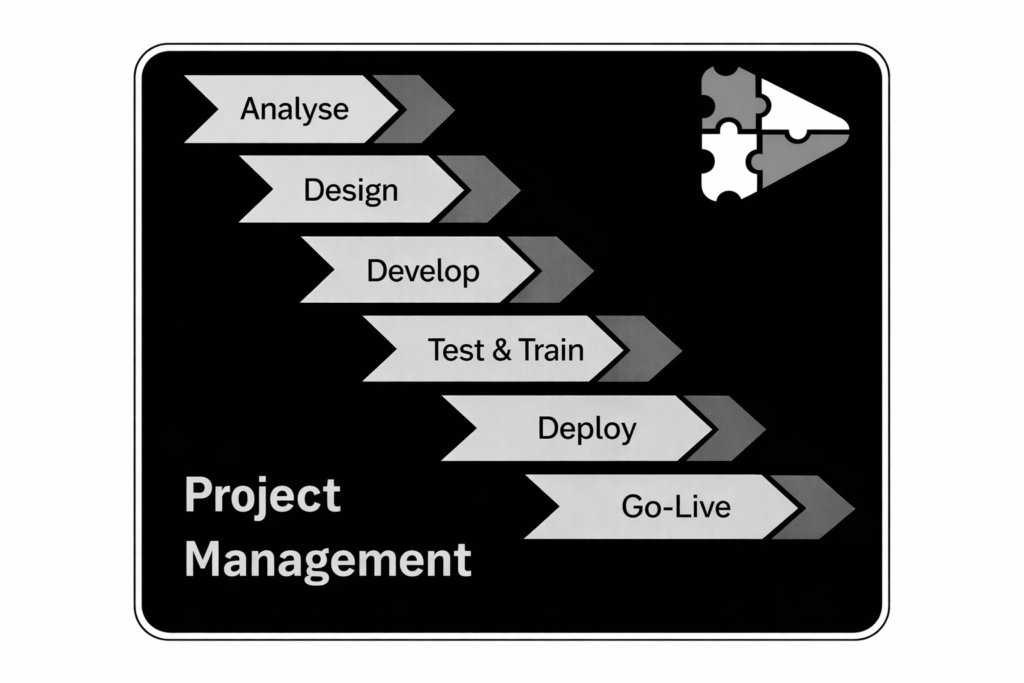
Implementing an ERP system is like cooking a good steak.
The steps are the same, but the process never is.
No two steaks are equal and timing, observation and experience determine whether the result is perfect, or disappointing.
Assuming the right software and partner have been selected, one of the biggest uncertainties are the end users. End users play a crucial role in successfully translating business rules into ERP configuration: validating whether the system actually supports daily operations by testing integrations, happy flow, exceptions and edge cases.
Yet most end users have little to no experience with their role in ERP implementations. Which is absolutely normal. But without proper guidance, this creates delays and avoidable rework. Or worse…
Devil is in the detail
Although similar companies often have similar processes, there is no one-size-fits-all ERP solution. Companies differ on detail. A good implementation partner can usually setup about 90% of the must-have requirements. That sounds like a lot, but it is not enough. An ERP system is like a car: If 10% is missing, it simply won’t drive. In other words: “The devil is in the detail”. And only the end users can point out where detail is missing. This last 10% of must-haves is where implementations succeed or fail.
This last mile is all about integration testing, requirements that were never mentioned, requirements that are incorrectly described, requirements that were misunderstood, setup that looked right, but don’t work in practice…
If these issues are not resolved before go-live, they will surface after go-live causing disruptions, high cost, damaged trust in the system and generally a lot of stress.
The solution to point out where detail is missing is iterative testing. Test, fail, fix, repeat.
But still, this is an exhausing process and before you know it, corners are cut and assumptions are made. Therefore this is a process that has to be managed carefully.
How I support ERP implementations
Based on my experience, I support organisations by:
– safeguarding the process throughout the implementation;
– guiding end users during testing and validation;
– challenging go-live decisions when risks are still present;
– ensuring the system is only taken into use when it is truly ready.
My role is to guide the implementation process from end-users perspective and make sure the ERP system actually works for your organisation from day one. The result is higher user ownership during the project, fewer surprises after go-live, lower post-implementation costs and an ERP system that supports the business.
Interested in working together?
You can find more details about my approach, rates and engagement model on the Working together page.
Prefer a personal introduction? Feel free to contact me by email to schedule a no-obligation call or meeting to explore whether there’s a good fit.